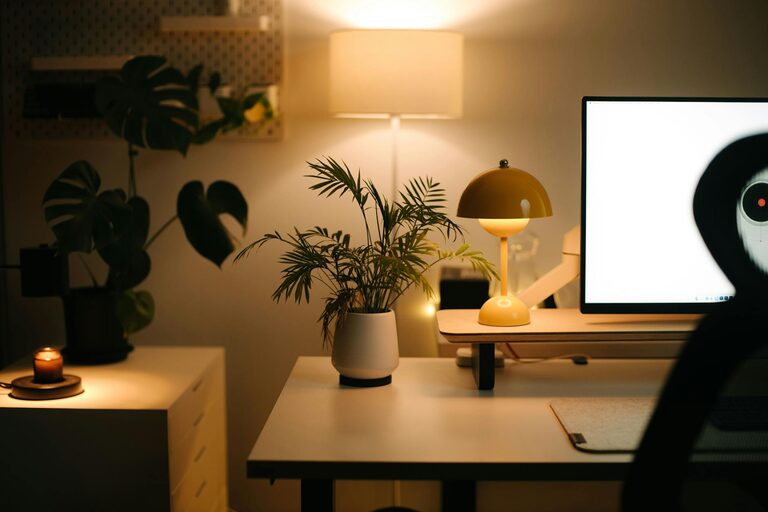
Working from home has become more common, making the home office an essential part of many people’s lives. Creating a cozy and productive space can boost your focus, creativity, and overall well-being. Here are helpful tips and ideas to help you design a home office that feels inviting and supports your work goals.
Choose the Right Location
Where you set up your office can influence how well you work. Select a spot that:
– Has natural light: Sunlight can uplift your mood and reduce eye strain.
– Is quiet: Avoid noisy areas to maintain concentration.
– Has enough space: You need room for your desk, chair, and any tools or equipment.
If space is limited, consider multi-purpose areas like a corner of your living room or bedroom. Use room dividers or curtains to separate your office visually.
Invest in Comfortable Furniture
Your desk and chair are at the heart of your office. Comfort and ergonomics matter because they affect posture and reduce fatigue.
– Ergonomic chair: Look for adjustable chairs with support for your back and arms.
– Desk height: Your desk should allow your elbows to rest at about 90 degrees while typing.
– Standing desk option: Some prefer desks that can switch between sitting and standing to stay active.
Adding a footrest or using a wrist pad can increase comfort during long work sessions.
Organize Your Workspace Efficiently
Clutter can distract you and make it harder to focus. An organized space helps keep your mind clear.
– Use storage solutions: Shelves, drawers, and baskets keep supplies neat.
– Desk organizers: Pen holders, file trays, and cable organizers reduce mess.
– Declutter regularly: Take time weekly to sort and tidy your materials.
Labeling storage containers can make it easier to find items quickly.
Personalize Your Space
A personalized office feels inviting and keeps you motivated.
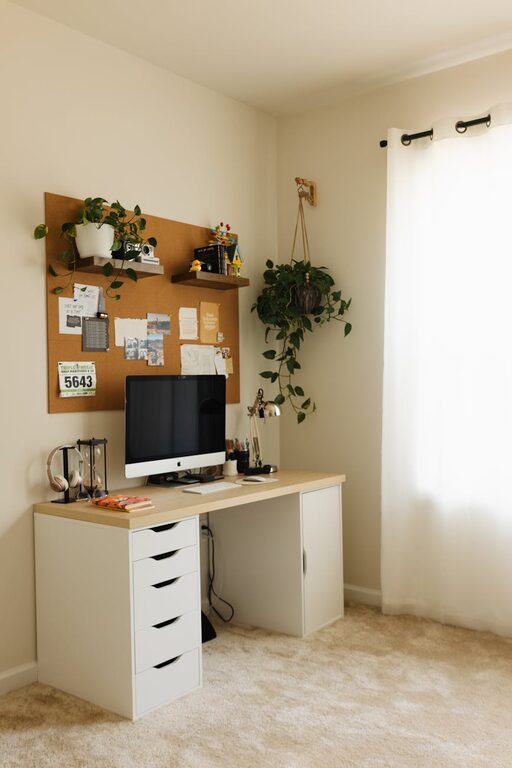
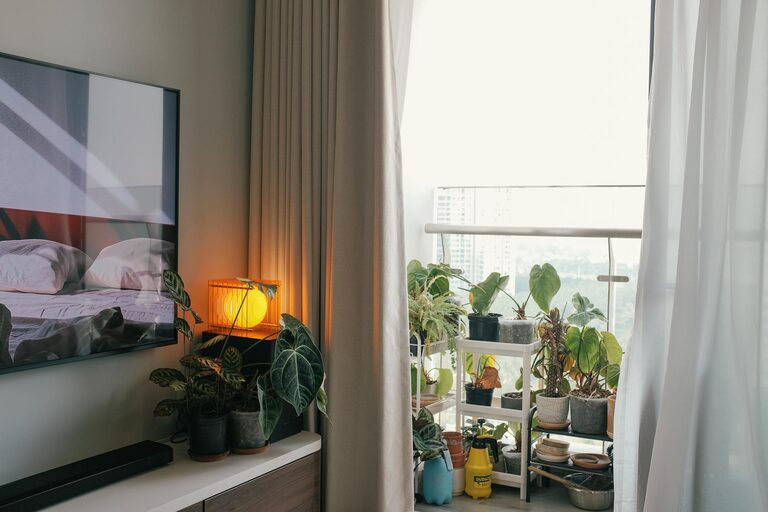
– Add plants: Greenery improves air quality and creates a calming atmosphere.
– Decorate with art or photos: Choose inspiring images or family photos.
– Use colors wisely: Soft, neutral colors help with focus, while some bright accents add energy.
Avoid too many distractions or overly busy decorations to maintain productivity.
Optimize Lighting
Proper lighting reduces eye strain and keeps you alert.
– Natural light: Position your desk near a window if possible.
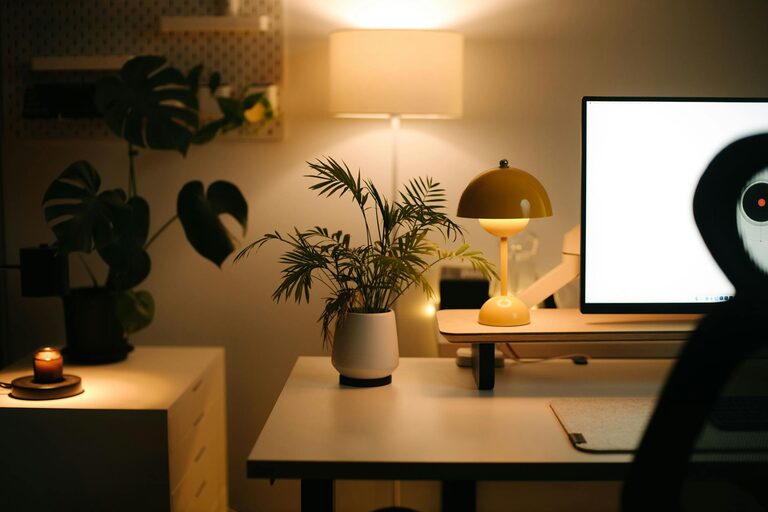
– Task lighting: A good desk lamp helps when natural light is insufficient.
– Avoid glare: Use blinds or curtains to control sunlight and prevent glare on screens.
Choose bulbs with daylight or soft white tones for a comfortable ambiance.
Manage Technology and Cables
Technology is essential but can create clutter. Keeping it organized is key.
– Use wireless devices: Keyboards and mice minimize cables.
– Cable management: Clips, sleeves, or boxes keep cords neat.
– Reliable internet: A stable connection supports smooth work.
Keep your devices charged and within easy reach to stay efficient.
Create Healthy Routines
Your environment supports good habits that boost productivity.
– Set working hours: Define clear start and end times for your day.
– Take breaks: Short breaks refresh your focus and reduce fatigue.
– Stretch regularly: Simple stretches help reduce stiffness from sitting.
Consider adding a small whiteboard or planner to track daily tasks and goals.
Keep Air Fresh and Comfortable
A comfortable climate helps you stay alert and comfortable.
– Ventilate: Open windows or use fans to circulate air.
– Temperature control: Use heaters or air conditioners as needed.
– Add scents: Essential oils or candles can create a pleasant atmosphere but avoid overpowering smells.
Use Noise Control Techniques
If your space is noisy, try some noise reduction methods.
– Noise-canceling headphones: Great for focusing in busy environments.
– Soft furnishings: Rugs, curtains, and cushions absorb sound.
– White noise machines or apps: These can mask distracting noises.
—
Creating a home office that is both cozy and productive is about balancing comfort with function. By choosing the right location, investing in good furniture, organizing well, and personalizing your space, you can build an environment that supports your best work every day. Small changes can make a big difference in how you feel and perform while working from home.
About the Author