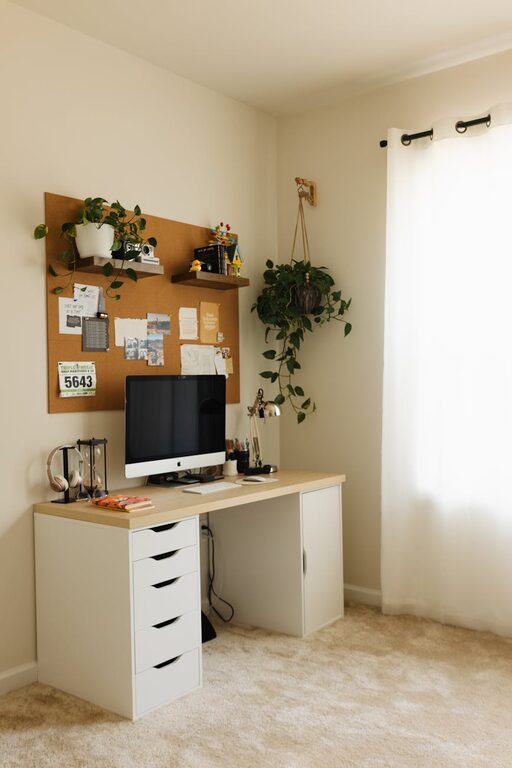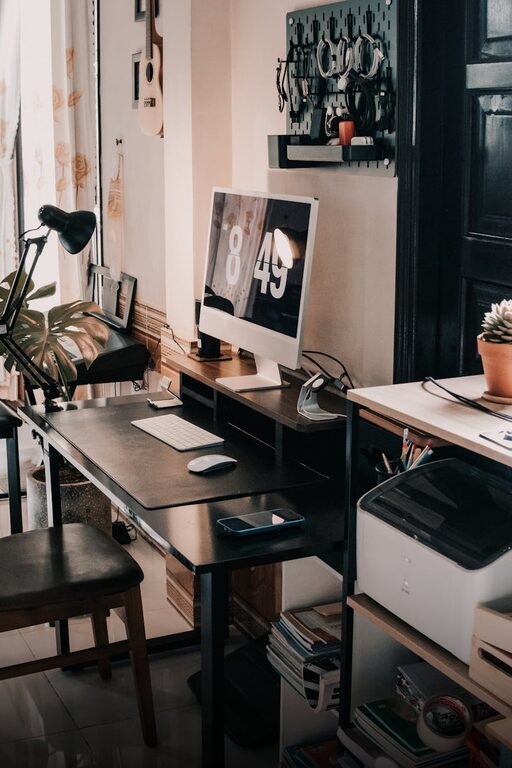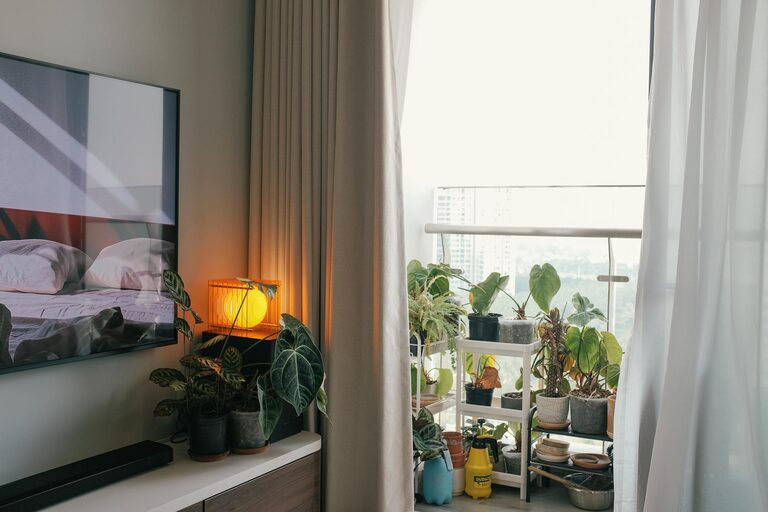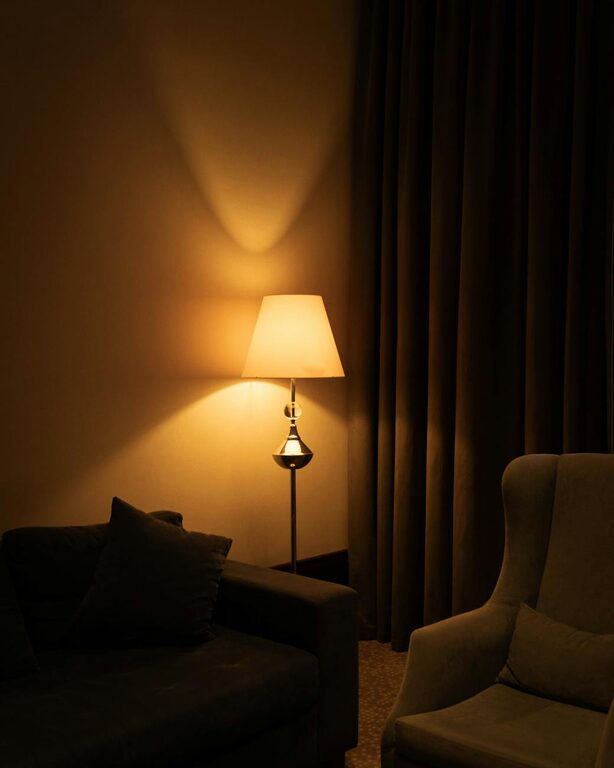
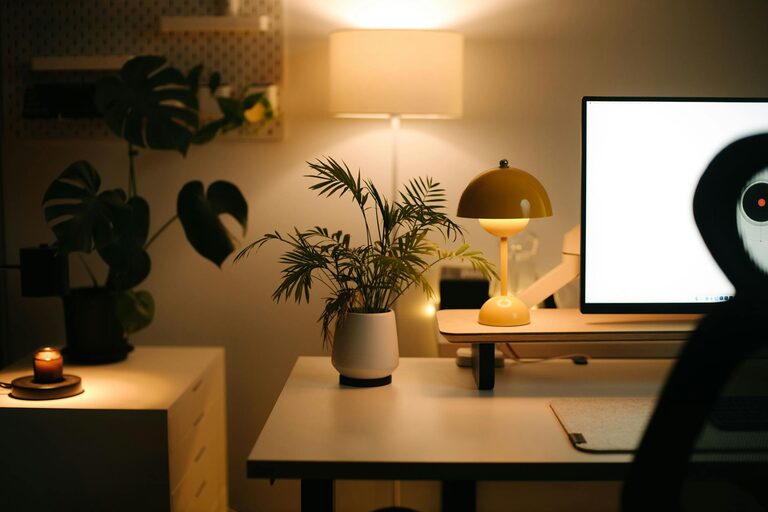
Creating a home office that is both cozy and productive can significantly improve your work-from-home experience. A well-designed workspace helps you stay focused, comfortable, and motivated throughout your day. Whether you have a dedicated room or a small corner to work in, these tips will guide you in making your home office a pleasant and efficient place to work.
Choose the Right Location
Finding the ideal spot for your home office is the first step. Look for a quiet area with minimal distractions and good natural light. If possible, choose a room with a door that you can close to signal work time and reduce noise. For smaller spaces, a well-organized corner near a window can work just as well.
Invest in Comfortable and Ergonomic Furniture
Comfort is key when setting up your workspace. A good chair with lumbar support and adjustable height will help you maintain proper posture and prevent strain. Pair it with a sturdy desk at the correct height to keep your wrists and arms comfortable while typing. Consider adjustable desks that allow you to switch between sitting and standing.
Optimize Lighting
Proper lighting reduces eye strain and boosts mood. Natural daylight is ideal, so position your desk near a window when possible. Complement it with desk lamps that provide focused light without glare. Use bulbs that mimic natural light, and avoid harsh overhead lighting that can create shadows and discomfort.
Organize with Purpose
Clutter can disrupt focus and cause stress. Use shelves, drawers, and organizers to keep your supplies neat and accessible. Designate specific spaces for important items like stationery, files, and electronics. Consider cable management solutions to keep cords tidy and out of the way.
Personalize Your Space
Adding personal touches makes your home office inviting and inspiring. Choose wall art, plants, or décor that reflects your style but doesn’t detract from your work. Plants, in particular, add a touch of nature that can enhance mood and air quality.
Manage Noise Levels
Noise can be a major distraction. If you cannot have a quiet room, try noise-cancelling headphones or white noise machines. Soft background music may help some people concentrate better, but keep it low and unobtrusive.
Maintain Good Air Quality and Comfort
A well-ventilated space is important for health and concentration. Open windows when possible or use an air purifier. Maintain a comfortable temperature with fans or heaters as needed. Good air quality combined with comfort helps you stay alert and reduces fatigue.
Set Boundaries and Establish a Routine
When your office is at home, separating work from leisure time can be difficult. Set clear work hours and communicate them to others in your household. Make a habit of starting and ending your workday in your designated office space. This helps create mental boundaries and enhances productivity.
Use Technology Wisely
Ensure your internet connection is strong and reliable. Invest in quality equipment like monitors, keyboards, and webcams to make your work environment efficient. Organize your digital files and use productivity apps that help manage your tasks without overwhelming you.
Keep It Clean and Fresh
Regular cleaning keeps your space inviting and reduces allergens. Wipe surfaces, empty trash, and vacuum or dust frequently. A clean environment contributes to mental clarity and positivity.
Final Thoughts
Designing a cozy and productive home office is about balancing comfort with efficiency. By carefully selecting the location, furniture, lighting, and decor while maintaining organization and setting clear boundaries, you can create a workspace that not only looks good but also helps you get your best work done. Start small and adjust your space as your needs evolve—your ideal home office is within reach!
—
With these tips, your home office can become a place where productivity and comfort go hand in hand, making work-from-home days something to look forward to.
About the Author