Creating a home office that balances functionality with style can significantly improve your work-from-home experience. Whether you have a dedicated room or a small corner, designing an efficient and attractive workspace helps boost focus and motivation. In this post, we’ll share practical tips to help you create a home office space that supports your daily tasks while reflecting your personal style.
Choose the Right Location
Finding the ideal spot for your home office is the first step. Consider these factors when selecting a location:
– Natural Light: A space near a window offers natural light, which can reduce eye strain and improve mood.
– Privacy: Choose a quiet area away from high-traffic zones to minimize distractions.
– Space: Ensure there’s enough room for your desk, chair, and any storage or equipment you need.
If space is limited, even a corner in a living room or bedroom can work well when planned thoughtfully.
Invest in Ergonomic Furniture
Comfort is key to productivity. Ergonomic furniture supports your posture and reduces discomfort.
– Chair: Look for an adjustable chair with good lumbar support.
– Desk: Choose a desk at the right height or an adjustable standing desk to vary your positions during the day.
– Monitor Stand: Position your computer monitor at eye level to avoid neck strain.
Your workspace should encourage good posture and comfort to maintain focus for longer periods.
Organize with Storage Solutions
Clutter can disrupt productivity and aesthetics. Use smart storage to keep your office tidy:
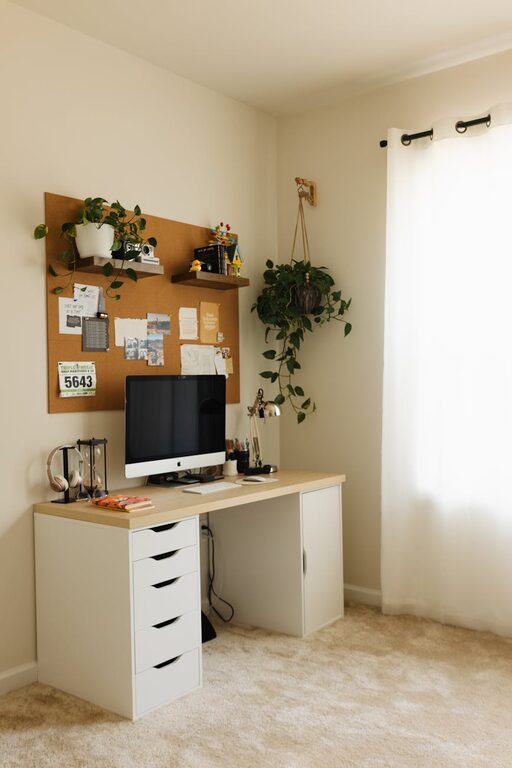
– Shelving: Wall-mounted shelves save floor space and display books or decor.
– Drawers and Cabinets: Use these to hide office supplies and papers.
– Desk Organizers: Keep everyday items like pens, notebooks, and chargers within easy reach.
Label storage bins or folders to maintain order and make finding items quick and easy.
Choose a Color Scheme That Inspires
The colors in your office affect mood and creativity. Consider these tips:
– Neutral Base: Soft tones like beige, gray, or white create a calm backdrop.
– Accent Colors: Add pops of color through accessories, artwork, or a feature wall to energize the space.
– Consistency: Keep the color palette cohesive to create a stylish and harmonious look.
Selecting colors you enjoy will make your office feel welcoming and personal.
Incorporate Proper Lighting
Good lighting reduces eye fatigue and maintains alertness.
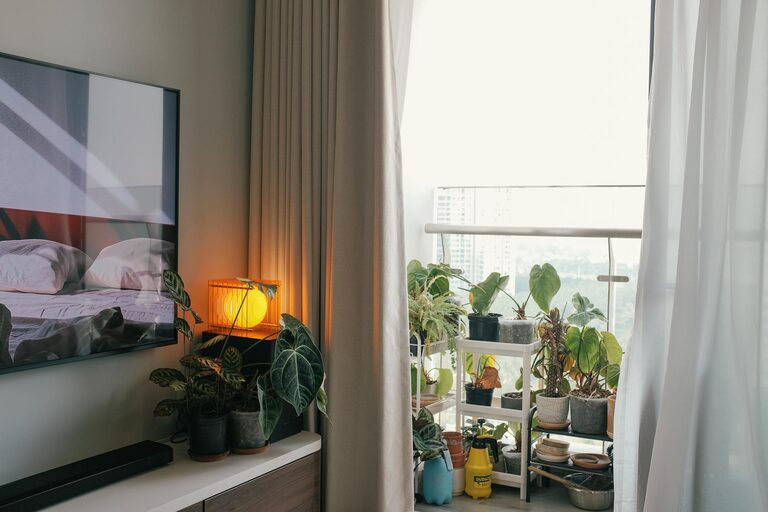
– Natural Light: Maximize daylight by positioning your desk near windows.
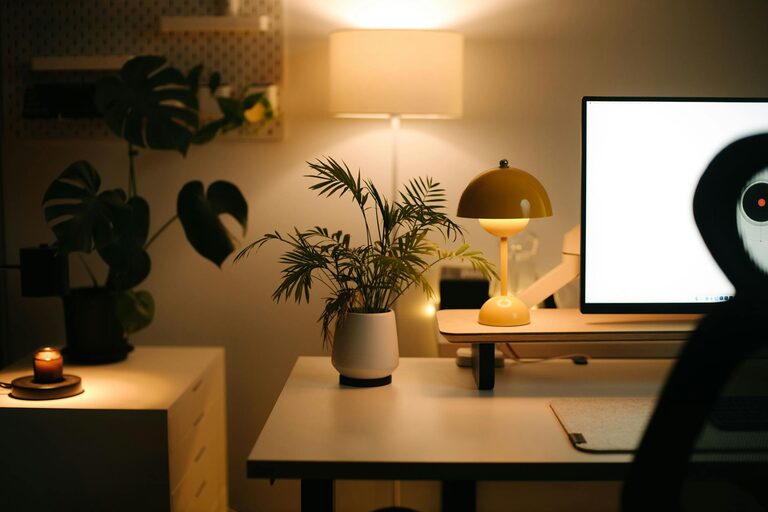
– Task Lighting: Use adjustable desk lamps for focused work in the evening.
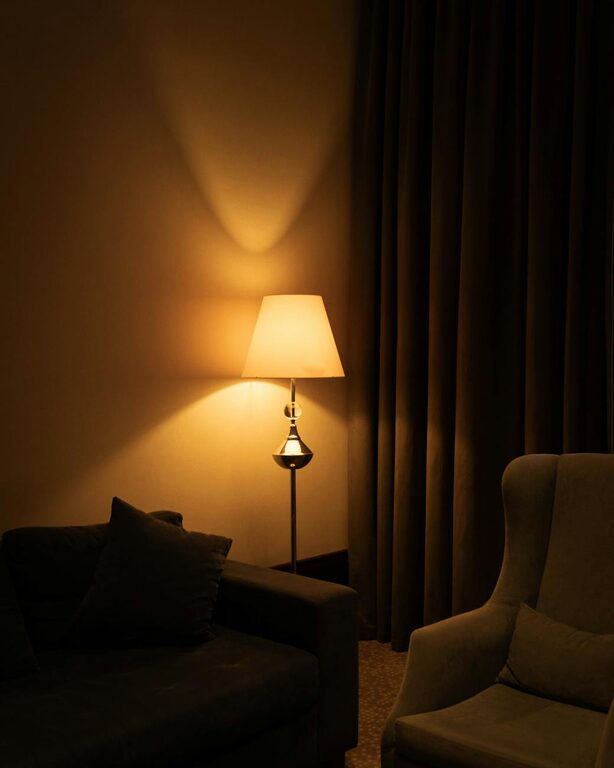
– Ambient Lighting: Overhead or floor lamps can provide general illumination without harsh shadows.
Avoid glare on screens by adjusting blinds or using screen filters.
Personalize Your Space
Add touches that make your home office enjoyable and motivating.
– Artwork: Hang prints or photos that inspire you.
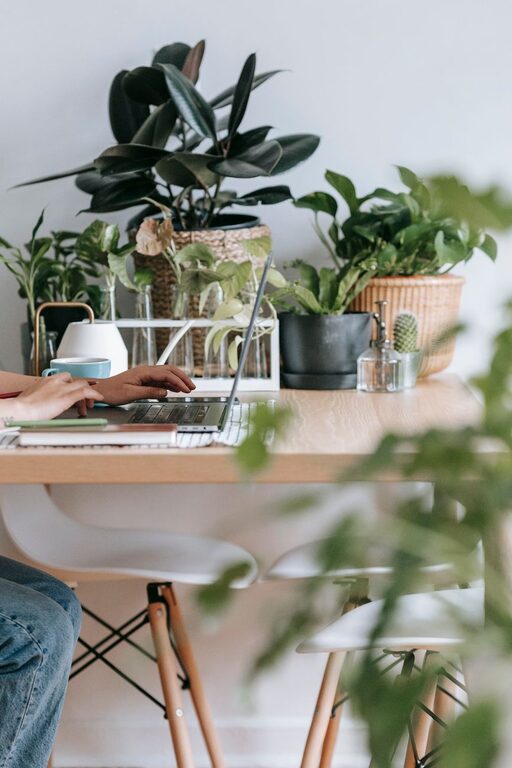
– Plants: Incorporate greenery to improve air quality and add life.
– Accessories: Choose items like clocks, cushions, or rugs that reflect your style.
Personalization balances function with warmth to create a space where you want to spend time.
Minimize Distractions
A distraction-free environment helps you stay productive.
– Noise Control: Use headphones or white noise machines if noise is an issue.
– Tech Management: Turn off unnecessary notifications or set phone silencing periods.
– Clear Desk Policy: Keep only essentials visible to avoid visual clutter.
Setting boundaries with others in your home can also help protect your work time.
Use Technology Wisely
Optimize your home office with useful technology:
– Reliable Internet: Ensure a strong Wi-Fi connection for video calls and online work.
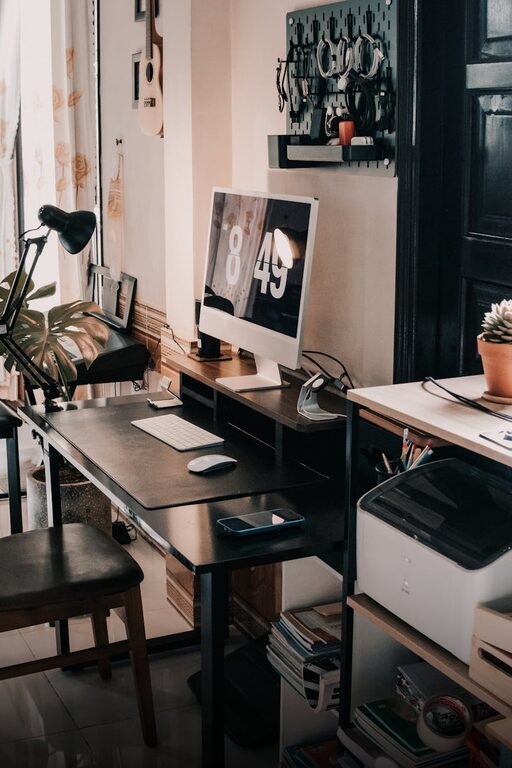
– Cable Management: Use clips or channels to keep cords organized and prevent tangles.
– Multi-purpose Devices: Choose printers, scanners, or other tools that fit your needs and save space.
Investing in the right tools can improve efficiency and keep your setup neat.
Keep It Flexible
Your home office needs may change; flexibility helps your space adapt.
– Modular Furniture: Pieces that can be reconfigured or moved suit evolving tasks.
– Portable Storage: Use rolling carts or bins that can be relocated easily.
– Adjustable Elements: Height-adjustable desks or chairs support various work modes.
A flexible workspace stays functional and comfortable over time.
—
Designing a functional and stylish home office involves blending comfort, organization, and personality. By thoughtfully selecting your location, furniture, lighting, and decor, you can create a workspace that motivates you and makes working from home enjoyable. Take these tips as a guide to craft a home office that supports your productivity and feels uniquely yours.
About the Author